Posted on

Where Do the Best Banda Led Strategies Come From? Discover Top-Rated Techniques for E-Commerce Success in 2026

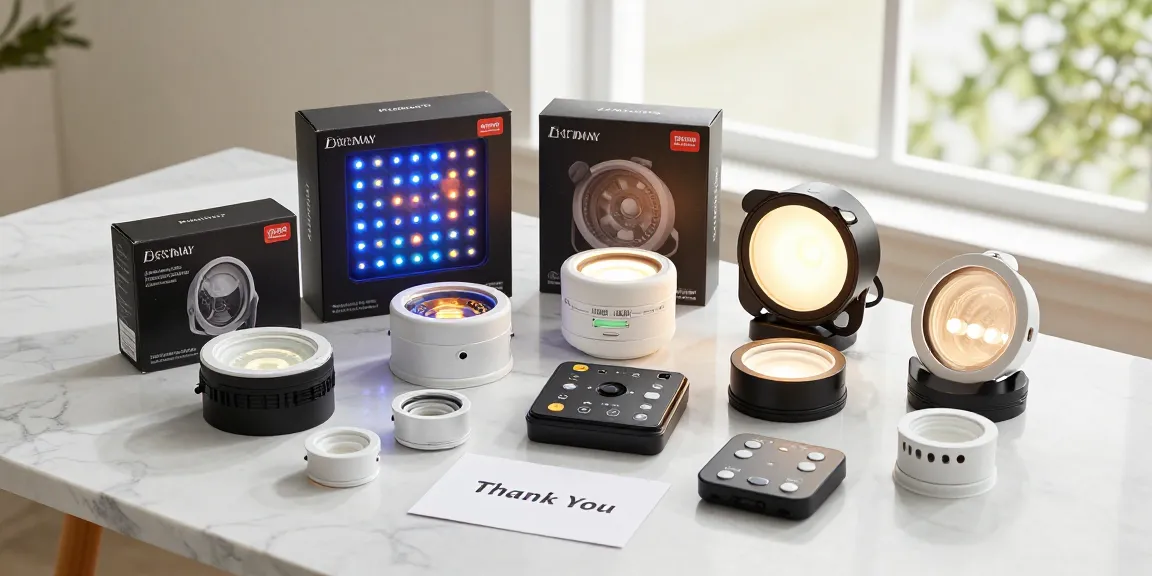
Banda led product showcase for online shopping, featuring best deals and buyer's guide insights.

Understanding Banda Led Products

Banda led is rapidly becoming one of the most versatile lighting solutions available in the market today. With their thin strips and array of color options, these LED bands offer both functionality and aesthetic appeal, making them ideal for various applications, from home decor to professional lighting setups. This guide aims to provide you with a comprehensive understanding of banda led products, their features, and how they can fit into your e-commerce strategies or personal projects.

What is Banda Led and How Does it Work?

Banda led products are flexible light strips filled with light-emitting diodes (LEDs) that can be adhered to different surfaces. They work by allowing electricity to flow through the diodes, producing light. The main advantage of banda led is their energy efficiency and long lifespan compared to traditional lighting sources. These strips can vary in brightness and color, providing a customizable solution for any environment.

Different Types of Banda Led Available in the Market

There are several types of banda led products available that cater to different needs:

  • RGB Banda Led: These strips can emit a wide range of colors and are perfect for mood lighting or decorative purposes.
  • White Banda Led: Available in different color temperatures, white bands are ideal for general lighting.
  • Waterproof Banda Led: Designed for outdoor use, these strips are encased in protective materials to resist moisture and dust.
  • Smart Banda Led: These come with features that allow for mobile app control, voice activation, and integration into smart home systems.

Comparing Banda Led Features and Specifications

When considering banda led options, it’s important to evaluate key features such as lumens, wattage, color temperature, and installation ease. For instance, products like the banda led model with a high lumen count will provide brighter light, while those with lower wattage will have less energy consumption, thus offering longer runtimes, especially in setups that require continuous operation.

Buying Guide for Banda Led

With so many options available, choosing the right banda led product can be overwhelming. However, being equipped with the right information can make the process smoother and help you find what best suits your needs.

Essential Factors to Consider When Choosing Banda Led

  • Length: Determine the total length needed for your installation. Strips come in various lengths and can often be cut to fit specific dimensions.
  • Brightness: Measured in lumens, select a banda led that emits the desired brightness for your space.
  • Color Options: Decide between single color or RGB options based on intended use.
  • Installation Type: Check whether the strip is adhesive-backed or requires additional installation hardware.
  • Power Source: Ensure compatibility with your existing electrical systems (e.g., 12V or 24V systems).

Where to Find Budget-Friendly Banda Led Products

Budget-conscious shoppers can explore various online platforms and local retailers for deals on banda led products. Websites like eBay or Amazon often have competitive offers, while your trustworthy local hardware store may provide sales and promotions, especially during holiday seasons.

Top-Rated Banda Led Options for Different Uses

For home and commercial applications, some of the top-rated banda led strips include:

  • Philips Hue Lightstrip Plus: A smart light option that allows for color customization via a mobile app.
  • Govee Smart LED Strip Lights: Known for their budget-friendly features and easy-to-install setup.
  • Sylvania Smart Color Change LED Strip: Offers a wide range of colors and is compatible with Amazon Alexa and Google Assistant.

The Impact of Banda Led on Home Aesthetics

Not only does banda led provide illumination, but it also enhances the aesthetic appeal of living spaces. This section delves into how these lighting solutions transform environments.

Using Banda Led for Interior Decoration

Incorporating banda led into interior decor can significantly elevate the ambiance of a room. By placing strips under cabinets, along shelves, or behind furniture, you can create a warm, inviting atmosphere. Enhancing architectural features with light can dramatically improve visual interest.

Creative Ideas to Install Banda Led Lights

Consider these ideas when planning your installation of banda led:

  • Under-cabinet lighting in kitchens for functional and aesthetic benefits.
  • Backlighting TVs to reduce eye strain and enhance the viewing experience.
  • Highlighting artwork or architectural features like arches and beams.
  • Creating a romantic atmosphere in bedrooms or entertainment rooms.

Enhancing Security and Functionality with Banda Led

Beyond aesthetics, banda led can improve security with strategic placements that deter intruders by illuminating paths, driveways, or outdoor areas. Motion-sensor equipped strips can provide additional safety, ensuring well-lit areas when needed.

Price Analysis and Deal Discovery

Understanding the pricing landscape for banda led products helps consumers make informed decisions. Here’s what to know.

Current Trends in Banda Led Pricing

Prices for banda led have seen a drop in recent years due to advances in technology and increased competition. Basic strips can start at around $10, while high-end smart systems may reach $50 or more, depending on features.

How to Identify the Best Deals for Banda Led

Keep an eye on seasonal sales, technology expos, or special promotions online. Setting price alerts on e-commerce platforms can also help snag discounts as they become available.

Evaluating Value vs. Cost in Banda Led Purchases

Evaluate if the features meet your needs when comparing the cost of banda led options. Higher-priced items may offer longevity and warranty guarantees, which can save money in the long run.

FAQs About Banda Led

What Makes Banda Led Energy Efficient?

Banda led products are energy efficient due to their low wattage consumption combined with high light output. They offer substantial energy savings compared to incandescent or halogen options.

Can Banda Led Be Used Outdoors?

Yes, but it is crucial to use waterproof or weather-resistant models if they will be exposed to outdoor elements. Make sure to check the product specifications for compatibility.

How to Install Banda Led Safely?

Always read the installation instructions and ensure you are equipped with the proper tools before starting. For more information, www.iluminat-ieftin.ro offers valuable insights. Use voltage regulators if needed, and ensure all connections are secure to prevent issues.

Posted on

Maximize Your Profits with Smart Ecommerce Strategies

Ecommerce & Shopping

Understanding the Ecommerce Landscape

The ecommerce landscape has undergone significant transformations since its inception, reshaping how consumers and businesses interact. With the rise of digital technology, online shopping has become a fundamental component of the global economy, enabling convenience and accessibility like never before. Understanding this landscape is crucial for anyone looking to thrive in the world of online retail.

History and Evolution of Ecommerce

Ecommerce, or electronic commerce, traces its roots back to the 1960s, when businesses began using electronic data interchange (EDI) to share business documents with one another. The 1990s marked a significant turning point with the advent of the World Wide Web. In 1994, the first secure online purchase was made, paving the way for online shopping as we know it today. Early players like Amazon and eBay emerged, revolutionizing retail by providing consumers with unprecedented access to products and services.

Over the years, ecommerce has evolved in various forms, from B2C (business-to-consumer) to B2B (business-to-business) and C2C (consumer-to-consumer) models. The introduction of mobile commerce (m-commerce) further transformed the landscape, allowing consumers to shop on the go. Fast forward to today, and ecommerce accounts for over 20% of global retail sales, with projections indicating continued growth in the upcoming years.

Current Trends in Online Shopping

As the ecommerce sector continues to evolve, several notable trends are shaping the future of online shopping:

  • Omnichannel Shopping: Consumers expect a seamless experience across all platforms, whether online, in-store, or via mobile. Brands are integrating their physical and digital presence to meet these expectations.
  • Subscription Services: From meal kits to beauty products, subscription models are gaining popularity, offering convenience and personalized experiences.
  • Sustainable Shopping: Eco-conscious consumers are increasingly seeking brands that prioritize sustainability, prompting businesses to adopt eco-friendly practices.
  • Augmented Reality (AR): AR technology is enhancing the shopping experience by allowing customers to visualize products in their own space before making a purchase.
  • Social Commerce: Social media platforms are evolving into shopping hubs, allowing users to discover and purchase products directly through their feeds.

Types of Ecommerce Models

Understanding the various ecommerce models is essential for businesses to tailor their strategies effectively:

  • B2C (Business to Consumer): This model involves businesses selling directly to consumers. Examples include Amazon and Walmart.
  • B2B (Business to Business): In this model, businesses sell products or services to other businesses. Alibaba is a prime example of a B2B platform.
  • C2C (Consumer to Consumer): Platforms like eBay and Etsy facilitate transactions between consumers, often through a marketplace environment.
  • C2B (Consumer to Business): In this model, individuals sell products or services to businesses, exemplified by freelance platforms like Upwork.
  • B2G (Business to Government): Businesses provide goods or services to government entities. This model often involves contracts for services.

Building an Ecommerce Website

Creating a successful ecommerce website requires careful planning and execution. From choosing the right platform to ensuring a seamless user experience, each aspect plays a crucial role in the overall success of the online store.

Choosing the Right Ecommerce Platform

The choice of an ecommerce platform can significantly influence the success of your online store. Factors to consider include ease of use, scalability, payment options, and customer support. Popular platforms include:

  • Shopify: Known for its user-friendly interface and comprehensive features, Shopify is ideal for businesses of all sizes.
  • WooCommerce: A plugin for WordPress, WooCommerce is perfect for users familiar with the WordPress ecosystem and requires more customization.
  • Magento: Best suited for larger businesses with specific requirements, Magento offers advanced features and scalability.
  • BigCommerce: This platform is known for its robust features and is great for businesses looking to grow quickly.

To select the right platform, evaluate your business needs, budget, and technical expertise. Consider starting trials to understand which platform aligns best with your goals.

Essential Features for an Ecommerce Site

To create a competitive ecommerce website, the following features are essential:

  • User-Friendly Navigation: A well-organized site with intuitive navigation helps customers find products effortlessly.
  • Mobile Responsiveness: With a significant portion of shoppers using mobile devices, ensuring your site is mobile-friendly is crucial.
  • Secure Payment Gateways: Trust in security is paramount; offer multiple secure payment options, including credit cards, PayPal, and digital wallets.
  • Product Reviews and Ratings: Allowing customers to leave reviews fosters trust and helps potential buyers make informed decisions.
  • Search Functionality: Implementing a robust search function enables customers to quickly locate specific products.

Design Best Practices for User Experience

The design of your ecommerce website directly impacts user experience and conversion rates. Here are some best practices:

  • Consistent Branding: Maintain a cohesive look and feel throughout your site, using consistent colors, fonts, and images that reflect your brand identity.
  • High-Quality Images: Use high-resolution images and multiple angles for products, allowing customers to get a comprehensive view.
  • Clear Call-to-Actions (CTAs): Use prominent CTAs to guide users toward desired actions, such as “Add to Cart” or “Buy Now.”
  • Fast Load Times: Optimize your website for speed; slow-loading sites can frustrate users and lead to high bounce rates.
  • Accessible Design: Ensure your site is accessible to all users, including those with disabilities. Use alt text for images and consider color contrast.

Driving Traffic to Your Ecommerce Store

Attracting visitors to your ecommerce store is critical for generating sales. Employing a combination of strategies can significantly boost your site’s visibility and traffic.

SEO Strategies for Ecommerce Success

Search Engine Optimization (SEO) is essential for increasing organic traffic to your ecommerce site. Here are some effective strategies:

  • Keyword Research: Identify relevant keywords that potential customers are searching for. Use tools like Google Keyword Planner or SEMrush to find high-volume keywords.
  • On-Page Optimization: Optimize product pages with targeted keywords in titles, descriptions, and URL slugs. Ensure meta tags are compelling to improve click-through rates.
  • Quality Content: Create blog posts, guides, or videos that provide value to your audience. This can help position your brand as an authority and improve SEO.
  • Technical SEO: Ensure your site is crawlable by search engines. Implement a sitemap and use structured data to help search engines understand your content.
  • Backlink Building: Build relationships with relevant websites to acquire backlinks, which can improve your site’s authority and ranking.

Leveraging Social Media for Promotion

Social media platforms are powerful tools for driving traffic to your ecommerce store. Here’s how to leverage them effectively:

  • Engaging Content: Share high-quality images, videos, and user-generated content to engage your audience. Showcase your products in real-life scenarios.
  • Targeted Ads: Use social media advertising to reach specific demographics. Platforms like Facebook and Instagram allow detailed targeting based on interests and behaviors.
  • Influencer Marketing: Collaborate with influencers in your niche to tap into their audience. This can generate buzz and drive traffic to your site.
  • Social Proof: Share customer testimonials and reviews on your social media channels to build trust and encourage purchases.
  • Hashtags: Utilize relevant hashtags to increase the visibility of your posts and attract new followers.

Effective Paid Advertising Techniques

Paid advertising can deliver quick results in driving traffic to your ecommerce store. Here are some techniques to consider:

  • Pay-Per-Click (PPC): Use Google Ads to create targeted PPC campaigns that appear in search results. Focus on high-intent keywords to maximize ROI.
  • Retargeting Ads: Implement retargeting strategies to reach users who have visited your site but didn’t make a purchase. These ads can remind them of products they viewed.
  • Shopping Ads: Utilize Google Shopping Ads to showcase your products with images and prices directly in search results, making it easier for users to compare options.
  • Social Media Ads: Invest in paid ads on platforms like Facebook and Instagram to increase your reach. Experiment with different ad formats to see what resonates with your audience.
  • A/B Testing: Regularly test different ad creatives, headlines, and targeting options to optimize performance and improve conversion rates.

Converting Visitors into Customers

Driving traffic is just the first step; converting visitors into paying customers is where the real challenge lies. Implementing effective strategies can significantly enhance your conversion rates.

Importance of Product Descriptions and Images

High-quality product descriptions and images are vital for converting visitors into buyers. Here’s why:

  • Descriptive Language: Use clear, concise, and persuasive language in product descriptions. Highlight benefits, features, and specifications to inform potential buyers.
  • SEO-Friendly Descriptions: Incorporate relevant keywords naturally into product descriptions to improve search visibility.
  • High-Quality Images: Use multiple images from different angles and include zoom features. Consider adding videos to demonstrate product usage.
  • Customer Context: Provide context by showcasing products in use or in lifestyle settings, helping customers envision their purchase.
  • Size Guides and FAQs: Include size guides and frequently asked questions to address common concerns and reduce return rates.

Implementing Cart Abandonment Strategies

Cart abandonment is a common challenge in ecommerce, with the average abandonment rate hovering around 70%. Here are strategies to reduce cart abandonment:

  • Exit-Intent Popups: Use popups that appear when users are about to leave the site, offering discounts or incentives to complete their purchase.
  • Follow-Up Emails: Implement an email reminder system to reach out to customers who abandon their carts. Personalize these emails to encourage them to return.
  • Simplified Checkout Process: Streamline the checkout process by minimizing the number of steps and offering guest checkout options.
  • Transparent Costs: Clearly display shipping and tax costs upfront to prevent surprises at checkout.
  • Save Cart Feature: Allow customers to save their carts for later, making it easier for them to return and complete their purchase.

Building Trust with Customer Reviews and Testimonials

Establishing trust is crucial for converting visitors into customers. Customer reviews and testimonials play a significant role in building credibility:

  • Encourage Reviews: Prompt customers to leave reviews after their purchase. Consider offering incentives such as discounts on future purchases.
  • Display Reviews Prominently: Showcase customer reviews on product pages to provide social proof and help potential buyers make informed decisions.
  • Respond to Feedback: Engage with customers who leave reviews, whether positive or negative. This demonstrates that you value their opinions and are committed to customer satisfaction.
  • User-Generated Content: Encourage customers to share photos of their purchases on social media. Feature this content on your website to build community and trust.
  • Third-Party Review Platforms: Consider using platforms like Trustpilot or Google Reviews to add an extra layer of credibility to your site.

Advanced Ecommerce Strategies for Growth

Once your ecommerce store is up and running, implementing advanced strategies can help drive long-term growth and success. These strategies focus on data analytics, personalization, and market expansion.

Utilizing Data Analytics for Decision Making

Data analytics is a powerful tool for making informed business decisions. Here’s how to leverage analytics effectively:

  • Identify Key Metrics: Monitor key performance indicators (KPIs) such as conversion rates, average order value, and customer acquisition costs to gauge your store’s performance.
  • Customer Behavior Analysis: Use analytics tools like Google Analytics to understand customer behavior, such as which products are frequently viewed or added to carts.
  • Segmentation: Segment your audience based on demographics, purchase history, and behavior to tailor marketing strategies to specific groups.
  • Run A/B Tests: Experiment with different website elements, such as CTA buttons or product layouts, to determine what resonates best with your audience.
  • Predictive Analytics: Utilize predictive analytics to forecast trends and customer behavior, enabling proactive decision-making.

Personalization Techniques to Enhance Customer Experience

Personalization is key to enhancing customer experience and increasing sales. Here are techniques to consider:

  • Personalized Recommendations: Use algorithms to suggest products based on previous purchases or browsing behavior, creating a tailored shopping experience.
  • Dynamic Content: Implement dynamic content on your website that changes based on user behavior or preferences, making the experience more relevant.
  • Email Personalization: Personalize email marketing campaigns with recipient names and tailored product suggestions based on past purchases.
  • Customized Offers: Use customer data to create targeted promotions or discounts that resonate with individual shopping habits.
  • Loyalty Programs: Implement loyalty programs that reward customers for their purchases and engagement, encouraging repeat business.

Exploring International Markets for Expansion

Expanding into international markets offers significant growth potential for ecommerce businesses. Here are steps to successfully enter new markets:

  • Market Research: Conduct thorough market research to identify demand, competition, and cultural nuances in your target countries.
  • Local Payment Options: Offer local payment methods that are popular in the target market to enhance customer convenience.
  • Language and Localization: Localize your website content, product descriptions, and customer support to accommodate different languages and cultural preferences.
  • Shipping and Logistics: Establish reliable shipping partners to ensure timely delivery and consider using local warehouses to reduce shipping times.
  • Compliance and Regulations: Familiarize yourself with local laws and regulations regarding ecommerce, including taxes, customs, and data protection.